Wedding Planning Checklist for Newly Engaged Couples
Start with these four conversations before booking anything else.
A wedding planning checklist only works if it's sequenced right. Get the order wrong and you're trying to pick a caterer before you know your guest count, or building a guest list before you know your venue holds fifty people or three hundred. That's the trap. This piece walks through the order that actually works, month by month, from "yes" to "I do."
The first two weeks: before the checklist, a few decisions that make everything else easier
Nobody tells you this, but the two weeks after getting engaged are the most dangerous ones in the entire process. Everyone around you (well-meaning aunts, Instagram, that one coworker who got married in Tuscany) will try to get you deciding things before you've had a single conversation with your partner about what you actually want.
So have that conversation first. Four things, specifically:
Rough guest count matters more than anything else you'll discuss. Fifty people versus three hundred people is a different wedding entirely, and it drives venue size, budget, and catering style more than any other single factor.
Then there's vibe. Backyard barbecue or ballroom and string quartet? Couples who agree on formality early avoid the expensive kind of pivot, the one where you've already put down a deposit on string lights and now someone wants a sit-down dinner service.
Season and day of week come next, since they shape both availability and price more than most people expect (Saturdays in June don't discount themselves). And finally, money: who's contributing, and do they expect a say. Sort that out now, quietly, before it becomes a fight in front of a venue coordinator.
What you should avoid in week one is booking anything, posting anything that locks in expectations, or touring venues before those four conversations happen. Open a shared folder or a dedicated email address where the two of you dump every idea, screenshot, and half-formed thought. That folder is the seed of your whole planning system.
And then, genuinely, take a breath. The planning will eat up a year of your life. The "we're engaged!" glow lasts about a week if you let it. Let it.
Months twelve to ten: locking in the decisions that everything else depends on
Three things book out fast and are painful to change once they're set: venue, photographer, and officiant. Everything else in this checklist waits on these three, so this is where the real work starts.
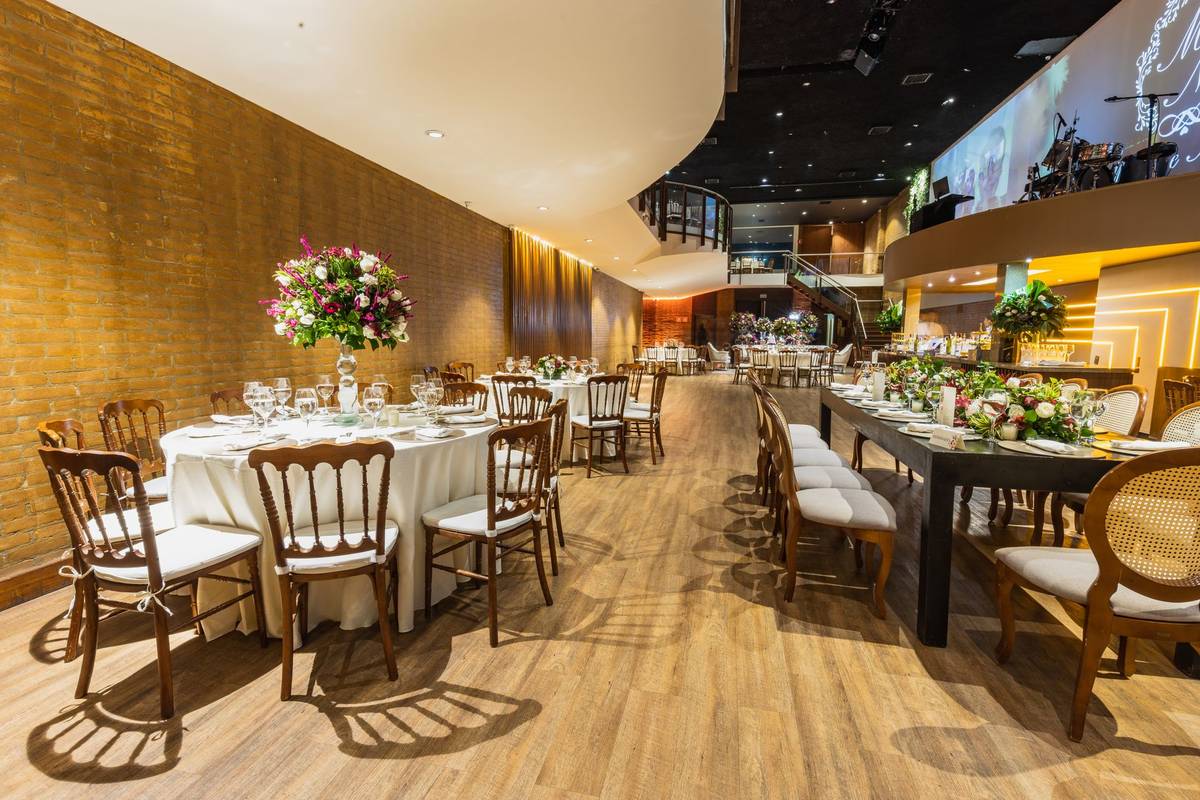
Venue comes first, and it's not close. For most couples, venue availability sets the date, not the other way around. You don't pick June 14th and then find a venue free that day, you find the venue you love and take whatever Saturday they've got open. Venue capacity also tells you your real guest count (the fantasy list of 250 shrinks fast once you see a room that seats 120). And plenty of venues bundle in catering or restrict who can cook there, so knowing that early saves you from falling in love with a caterer who can't legally set foot in your reception hall.
When you tour, bring your rough guest count and your budget ceiling, and ask about preferred vendor lists, catering restrictions, and exactly what's included in the rental fee (lighting? tables? that weirdly specific "chair sash" upcharge?). Compare venues the boring way: same questions, same format, every time. Otherwise you'll pick whichever one had the best lighting during your tour, which is basically letting a real estate agent's staging choose your wedding for you.
Photographers deserve the same urgency. Book one before your date is even fully locked if you can, because the good ones fill their calendars months before peak season hits. Wait too long and your top two picks are already shooting someone else's wedding.
Once the venue deposit clears, your real budget starts to take shape. This is the moment to build your framework, because guessing at numbers before you have a deposit is like packing for a trip without knowing the weather. One rule worth keeping in your back pocket: venue and catering combined tend to eat up close to half your total budget. Keep that ratio in check and you'll have breathing room everywhere else.
Months ten to eight: building the guest list properly and telling people the date is real
Now, and only now, build the guest list. You've got a venue, which means you've got a real capacity number instead of a wish list, and guest count drives catering cost more than any other line item, so getting this right early saves you a lot of math-induced anxiety later.
Set a hard total first, then divide it: some for the couple, some for each family. Structure beats vibes here, because an unstructured list has a way of growing forever under social pressure (suddenly your mom's book club is invited). A tiered system helps too: must-invite, would-love-if-space-allows, and local-only-if-we-need-to-trim. And while you're at it, collect mailing and email addresses now. Chasing down Aunt Carol's zip code three weeks before invitations go out is nobody's idea of fun.
Save-the-dates go out next: eight to twelve months ahead for a destination or peak-season wedding, six to eight months for something local and off-season. They need the date, the city, and a pointer to more information, ideally your wedding website. One rule with no exceptions: don't send a save-the-date to anyone not confirmed on your final list. It's basically a promise, and un-inviting someone after the fact is a conversation nobody wants to have.
This is also exactly when your wedding website should go live, because the save-the-date needs somewhere to send people.
What a wedding website needs to do, and what to put in it
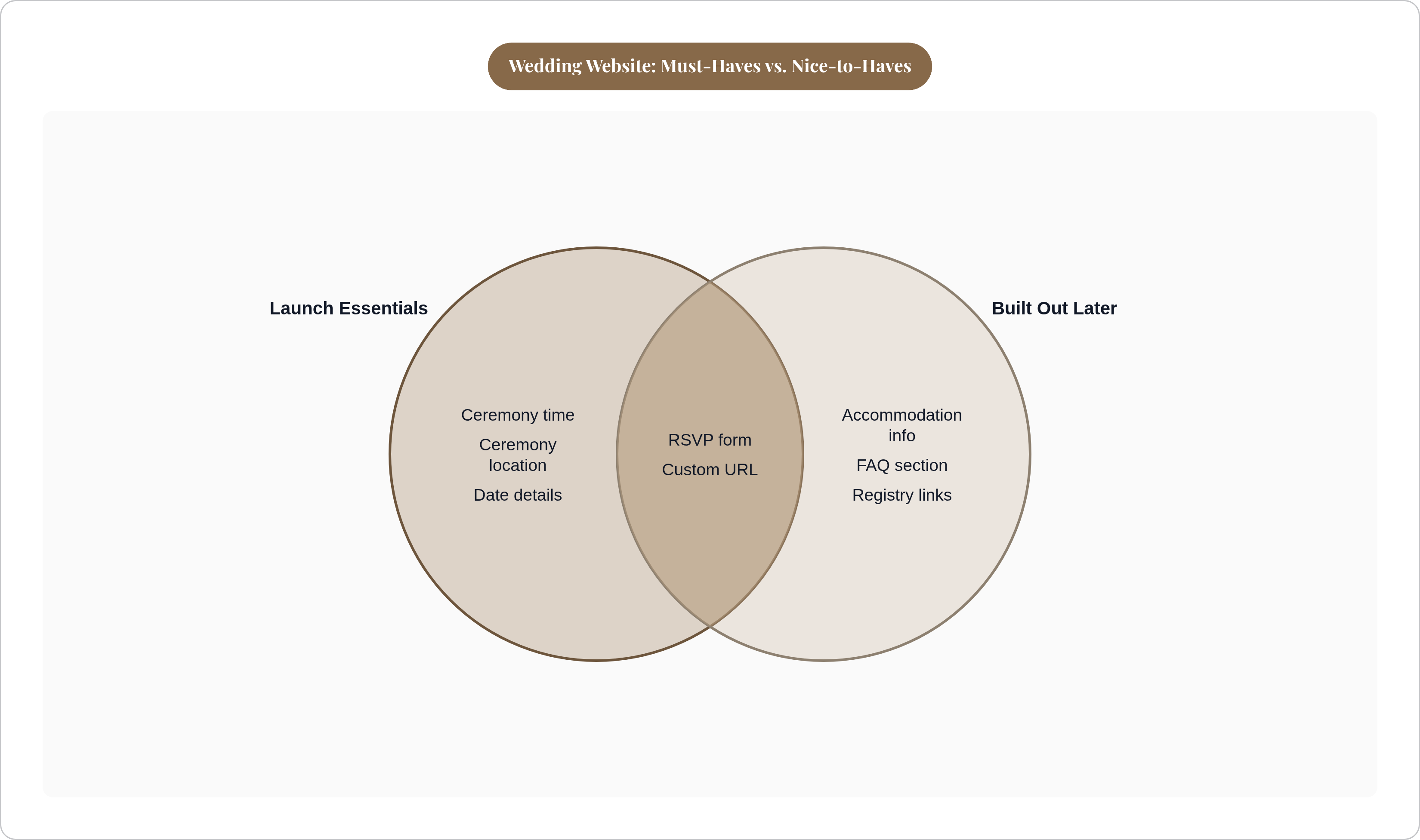
A wedding website has one job: stop you from answering the same five questions over text forty separate times.
At launch, keep it simple. Date, ceremony time, ceremony location, and a line saying more details are coming. Don't wait for it to be perfect before you publish; a bare-bones site up now beats a polished one that misses the save-the-date window.
As planning moves along, build it out. Add the reception venue and timeline, especially if ceremony and reception happen at different spots. Add accommodation info and room block deadlines. Add an RSVP form, because collecting responses online means no paper cards, no manual data entry, and a lot less squinting at handwriting trying to figure out if that's a "yes" or a coffee stain. Build a dietary requirements field into that RSVP form too, so the information arrives already organized instead of scattered across sticky notes.
Throw in an FAQ for the questions you'll otherwise field on repeat: dress code, kids or no kids, parking, whether it's an unplugged ceremony. And put your registry links there rather than jamming them onto a paper invitation, which always looks a little tacky no matter how you phrase it.
A few basics on execution. Design mobile-first, since most guests will click the link from their phone while standing in line for coffee, not from a desktop. Pick a short, memorable custom URL, something that fits cleanly on a save-the-date card and doesn't require guests to type out forty characters. And keep the look consistent with your wedding's overall style, because for a lot of guests, this site is their first impression of what your day will feel like.
The most common complaints guests have? Missing ceremony start times, no parking info, and no stated RSVP deadline. All three are avoidable, all three take five minutes to fix.
Some platforms tie the website, the RSVP form, and dietary collection into one connected system, so a guest's dietary note on the RSVP form flows straight into the seating chart later. That's a detail that sounds small now and saves you real time in month five, when you're not manually re-typing forty allergy notes into a spreadsheet at midnight.
Months eight to six: filling out the vendor roster while the best options are still available
With the venue and guest list settled, it's time to book the rest of the crew: caterer (if not baked into the venue), florist, hair and makeup, entertainment, and a videographer if you want one.
Book the caterer before the florist and the band. Catering is usually your second-biggest expense after the venue, and their per-head pricing determines how much money is left for the fun stuff, so it needs to be locked before you commit elsewhere.
Compare quotes the same way you compared venues: identical questions, identical format, every vendor. Scope of service, what's included, deposit terms, cancellation policy. Keep it all in one place, not buried across forty email threads with subject lines like "Re: Re: Re: quote." And ask caterers directly how they handle allergies and dietary requests, what confirmation process they use, and when they need final numbers.
Florists and entertainment book out for popular Saturdays faster than people expect. Treating them as "we'll get to it eventually" vendors is the most common mistake in this window, and it's an entirely avoidable one.
If you're planning an engagement shoot, schedule it now so the photos are ready in time for the website or invitations. And if a honeymoon's on the table, start looking into logistics here too. It's a task a wedding checklist doesn't always cover, but forgetting it until month two is a very real and very common mistake.
Months six to four: the administrative middle, where plans become contracts and details
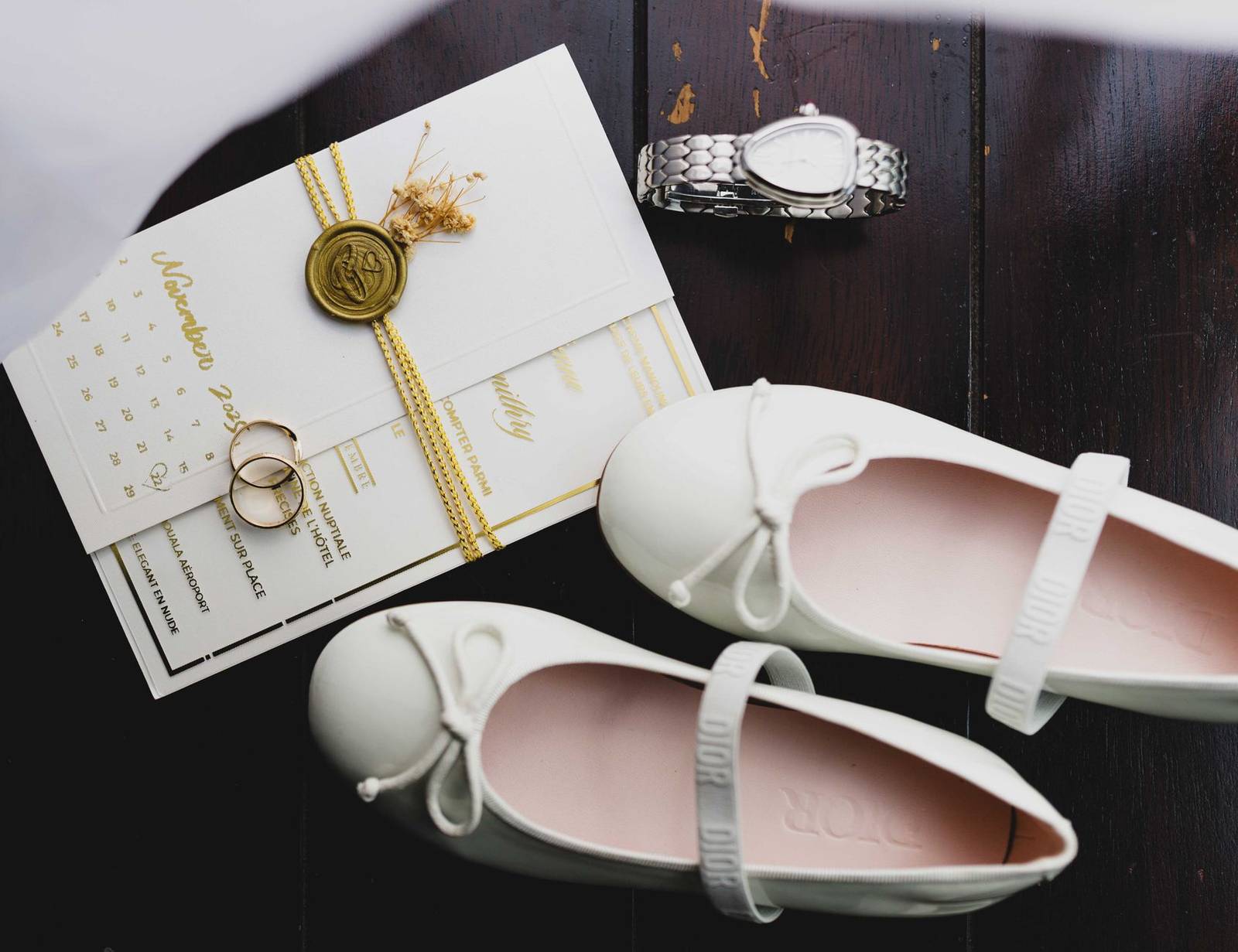
This stretch is where the fun ideas turn into paperwork. Invitations get designed, ordered, and mailed here, going out six to eight weeks before the wedding at minimum, which means the ordering itself needs to happen well before that (printers are not known for their speed).
Invitations need the essentials only: date, time, ceremony address, RSVP deadline, and the website URL. Everything else lives on the site, so don't cram your parking instructions onto a card that's already tight on space.
Set your RSVP deadline four to six weeks out, giving yourself a buffer to chase the inevitable stragglers and still hand vendors a final count on time. Speaking of which, most caterers need final numbers and a dietary breakdown a few weeks before the event, and since you've been collecting that data through your RSVP form all along, it's already sitting there organized, saving you from scrambling to reconstruct it from memory and half-read texts.
Book your hair and makeup trial in this window too, early enough to fix anything you don't like, late enough that your hair length and color match what they'll actually be on the day. And look into marriage license requirements now. Waiting periods, required documents, office hours: these vary by location, and it's one of the tasks couples leave until the very last minute more often than any other.
Sit down with your officiant on readings, vows, and the ceremony order. It takes more back-and-forth than you'd guess. And at six months out, check your budget against what you've actually spent. Adjustments made here are still useful; adjustments made at two months out are basically just regret.
Months four to two: finalising the logistics that the day-of experience depends on
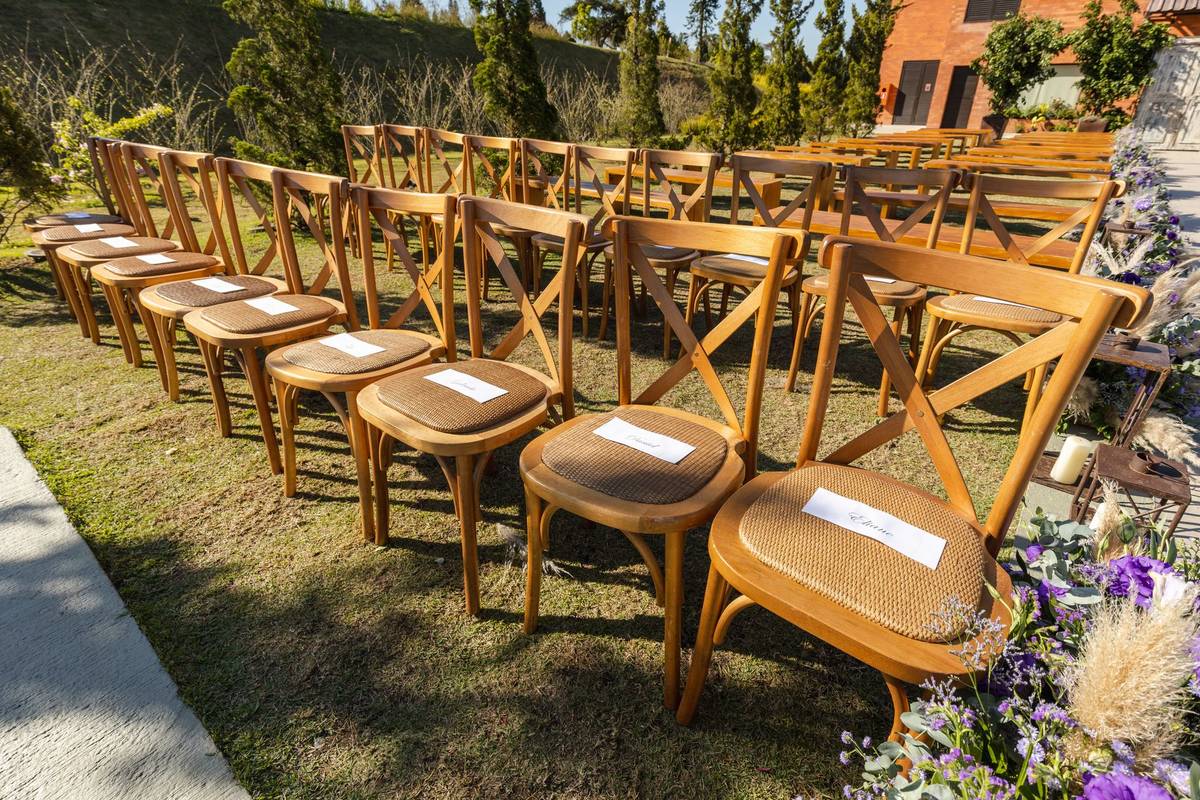
Once RSVPs roll in, the seating chart begins in earnest, and if there's one task people describe as genuinely anxiety-inducing, it's this one. Family politics, dietary needs, table geometry: it feels like solving a puzzle with no correct answer.
The dietary data you collected through the RSVP form earns its keep right here. If it came in structured from the start, you're building the chart with those constraints already visible, rather than cross-checking a spreadsheet after the fact and discovering three vegetarians seated next to the carving station. Start with constraints (mobility needs, dietary requirements, the cousin who can't sit near the other cousin) and build outward from there, instead of starting with your dream table arrangement and trying to force the constraints in afterward.
Chase down non-responders directly. Phone calls work when emails have gone ignored for two weeks straight. Set a real cutoff and hold to it, because "just one more day" turns into two weeks fast.
Confirm every vendor in writing: date, arrival time, location, specific logistics. Assign wedding party responsibilities, rings, music cues, guestbook duty, so nobody's improvising at the rehearsal. And draft the full day-of timeline, first vendor arrival to last dance, with buffer time built in everywhere. A realistic, shared timeline is probably the single document that cuts down day-of stress more than anything else on this list.
Confirm accommodation blocks are communicated, sort transport for the wedding party if needed, and make sure any guest with accessibility needs actually has what they need, not just a vague assurance that it'll "probably be fine."
The final month: shifting from planner to participant
Final payments usually land two to four weeks out. Gather every due date in one spot and knock them out early in this window instead of the night before, because scrambling for a cashier's check at 8 p.m. is not how you want to spend an evening.
Put together a vendor pack, one document per vendor or a single master version, with call times, arrival locations, a day-of point of contact, and any last-minute notes. Send it a week or two ahead.
Pick one person, a coordinator, a sibling, a friend who owes you a favor, to field vendor questions on the day so you're not fielding a call about ice delivery in between the ceremony and your first dance. Lock the seating chart once RSVPs and dietary needs are confirmed with the caterer, and if you're using something like a QR-based seat finder, test it now so guests aren't hunting for their name on a printed board like it's a scavenger hunt.
Handle your personal items too: vows, speech notes, rings, the marriage license, anything you need physically on the day. A single day-of bag checklist keeps you from realizing at 6 a.m. that the rings are still in a drawer at home.
The day before, hand it all off, go to the rehearsal dinner, and actually stop planning. The logistics belong to other people now.
Here's the thing the whole sequence has been building toward: couples who follow this order arrive at the wedding with nothing left to decide, only things to enjoy. Good organization frees you up to actually be in the moment.
How to keep the whole checklist from living in
Your head, is where it shouldn't live, and that's the honest truth of it. A dozen spreadsheets, three group texts, and a Pinterest board amount to a scavenger hunt you've built for yourself. The fix: pick one place, digital or otherwise, and force every decision, contract, and RSVP to live there and nowhere else.
Whether that's a shared folder from week one grown into something bigger, or a platform built specifically for this that ties the website, RSVP data, and seating chart together so information doesn't need re-entering three separate times, the principle stays the same. Every piece of information should get captured once, in one place, and used everywhere it's needed after that.
The real enemy of wedding planning is rarely the number of tasks. More often, it's the number of places you're keeping track of them.